When people think of World War II historical fiction, they often picture soldiers, tanks, and famous battles. While these stories remain important, many of the most compelling wartime novels focus on the lives forever changed behind the front lines.
In Mind The Trams, the approach to wartime storytelling begins long before the conflict itself. Set in late 1930s Lancashire, the novel follows ordinary people as they work, fall in love, celebrate, and dream of their futures. Readers experience a community at peace, making the eventual arrival of war all the more significant.
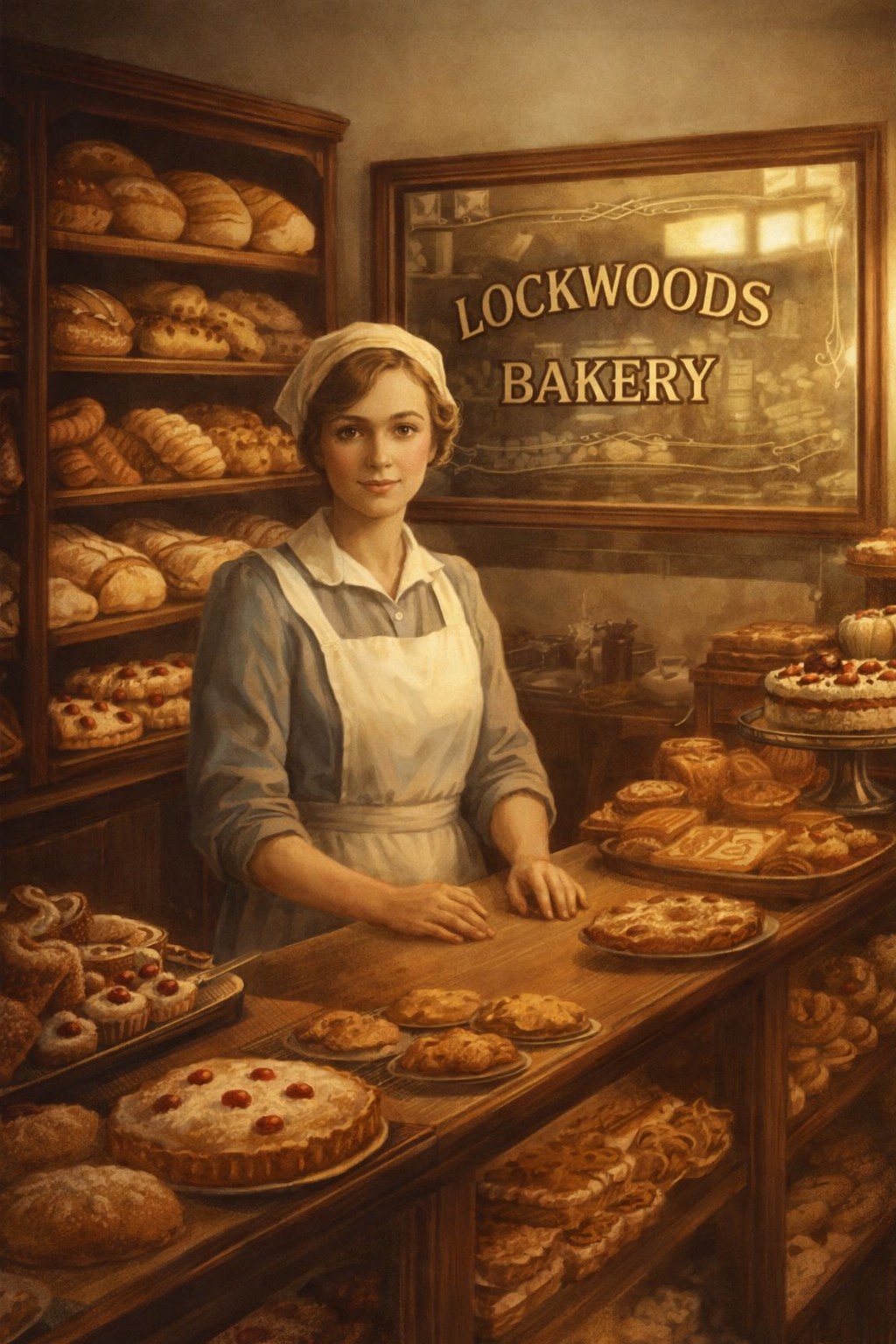
One of the strengths of World War II historical fiction is its ability to show how global events affect individual lives. The decisions made in distant government offices ultimately shape the futures of bakery workers, mill employees, postmen, musicians, and young couples planning their lives together.
The most memorable historical fiction reminds us that history was lived by ordinary people. Every soldier was once a son, friend, neighbour, or sweetheart. Every casualty left behind a family and a community.
By focusing on everyday lives before the conflict begins, Mind The Trams explores what was truly at stake when war arrived. The reader is invited to care about the people first, ensuring that the larger historical events carry genuine emotional weight.
For many readers, this human perspective is what makes World War II historical fiction such a powerful and enduring genre.
Leave a Reply