British wartime novels occupy a unique place in historical fiction. While history books often focus on military campaigns and political leaders, novels allow readers to experience the emotions, fears, hopes, and sacrifices of ordinary people living through extraordinary times.
The most successful British wartime novels combine historical authenticity with deeply personal stories. They explore communities rather than battlefields alone, showing how war touched every aspect of daily life.
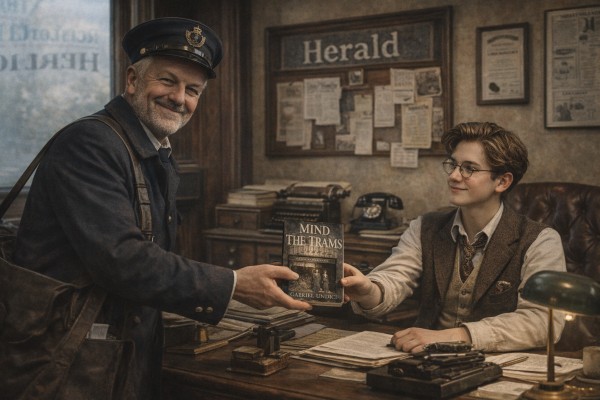
Mind The Trams is rooted in a Lancashire community on the eve of war. Before uniforms, ration books, and telegrams become part of daily life, readers encounter a world of bakeries, dance halls, friendships, family expectations, and local traditions.
This contrast is important. Understanding what existed before the war helps readers appreciate what was later lost, altered, or forever changed.
British wartime novels often resonate because they capture resilience. Communities continue to laugh, celebrate, and support one another even during periods of uncertainty. Small acts of kindness become just as significant as larger historical events.
By focusing on ordinary lives rather than famous figures, these novels preserve the voices of people who rarely appear in official histories. Their stories help modern readers understand not only what happened, but what it felt like to live through it.
That emotional connection remains one of the defining strengths of British wartime fiction.
Leave a Reply