The home front is one of the richest and most fascinating settings in historical fiction. While soldiers fought overseas, millions of civilians faced their own challenges, responsibilities, and uncertainties at home.
Home front stories reveal the quieter side of history. They focus on families, workplaces, friendships, and communities adapting to a rapidly changing world. These stories remind us that war affected everyone, not only those serving in uniform.
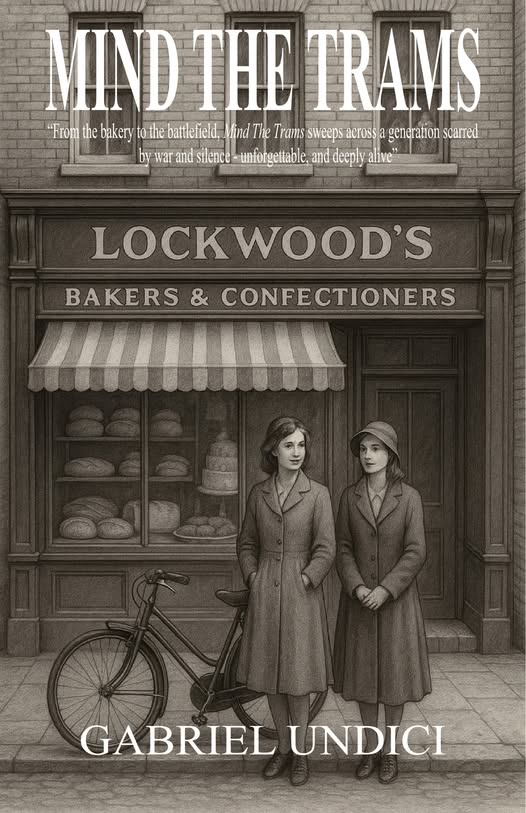
Mind The Trams begins before the outbreak of war, allowing readers to experience a Lancashire community in its final years of peace. Through bakery workers, local characters, musicians, and young people planning their futures, the novel creates a vivid picture of everyday life before everything changes.
This perspective gives greater meaning to later wartime events. Readers understand what the community is fighting to preserve because they have lived alongside the people who call it home.
The strongest home front stories are often built upon small moments: conversations across counters, dances in village halls, friendships formed through shared work, and families gathering around kitchen tables. These ordinary experiences become extraordinary when viewed through the lens of history.
By focusing on civilian lives and local communities, historical fiction helps preserve the memory of a generation whose courage was often quieter but no less important.
The home front was never merely a backdrop to history. It was history itself.
Leave a Reply